
The global adoption of smart locks is growing exponentially, with the market predicted to surpass $5 billion by 2026 (Statista, 2024). But what’s driving this growth, and how can businesses in the smart home industry capitalize on emerging opportunities? Let’s explore the technological breakthroughs and market insights shaping this sector.
Market Trends and Insights in Smart Lock Technology
Smart locks have redefined convenience and security, especially for residential users. A 2024 report by Grand View Research highlights a 12.5% CAGR for the smart lock market, driven by advancements like fingerprint recognition and remote access capabilities. More homeowners are seeking keyless entry solutions that integrate seamlessly with smart home ecosystems.
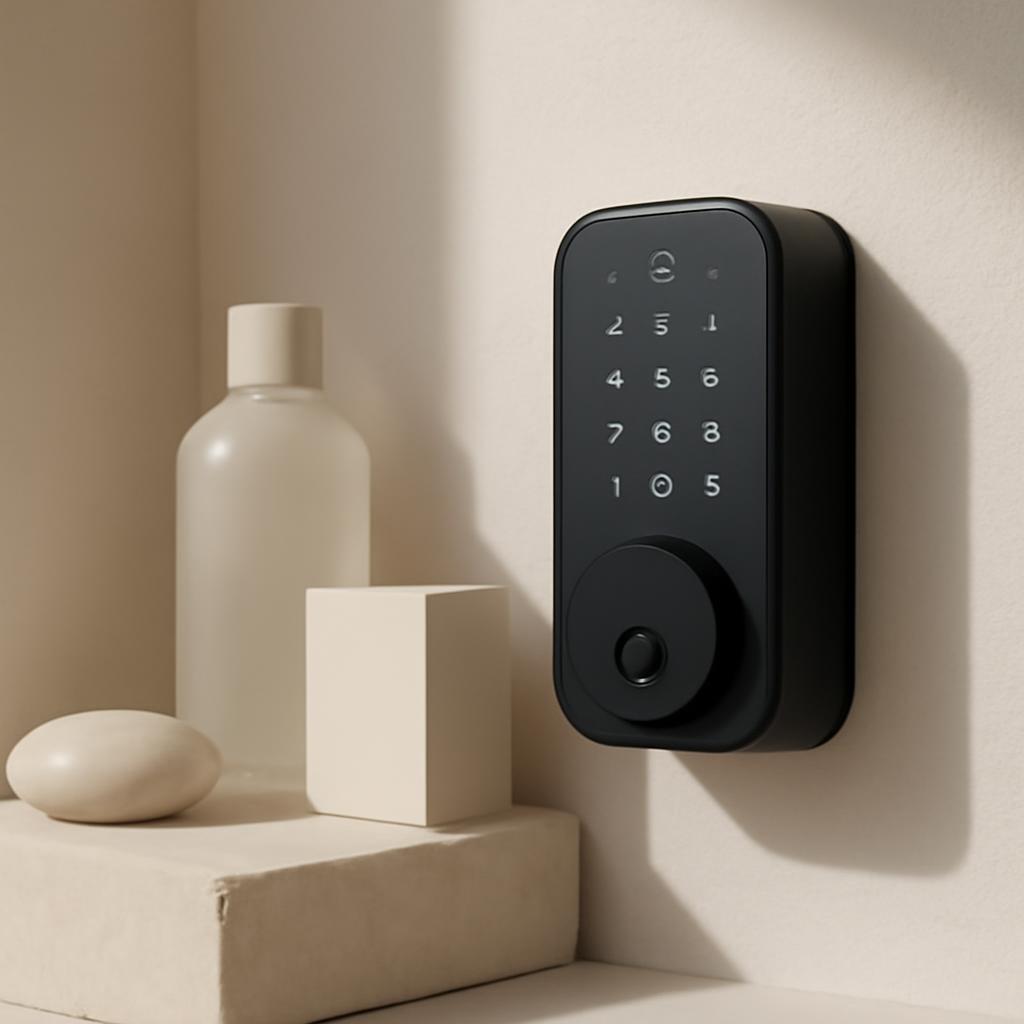
Notably, the demand for invisible smart locks—those designed to blend into the aesthetic of a home—has surged. These locks offer enhanced security while maintaining the visual appeal of traditional designs. For example, Level Lock’s “Invisible Smart Lock” has gained traction due to its discreet appearance paired with cutting-edge technology.
Expert Insights: The Future of Smart Home Security
“The shift toward invisible smart locks is a game-changer for home security,” notes Dr. Emily Carter, a security technology researcher. “Consumers want solutions that are both functional and unobtrusive. This opens up opportunities for manufacturers to innovate on design without compromising security protocols.”
Beyond aesthetics, the integration of biometric features like fingerprint authentication has become a cornerstone of modern smart locks. Statista projects that by August 2026, over 70% of smart locks will include biometric capabilities, such as fingerprint scanning or facial recognition.
Additionally, smart locks are increasingly being paired with home automation platforms like Amazon Alexa and Google Home, offering homeowners the ability to unlock doors via voice commands or smartphone apps.
Standards and Certifications: Ensuring Reliability
For manufacturers entering the smart lock space, meeting regulatory standards is non-negotiable. Compliance with ANSI/BHMA Grade 1 certification ensures locks meet rigorous durability and security benchmarks. Furthermore, ISO 9001 certification for manufacturing processes underpins trustworthiness, while compatibility with wireless protocols like Z-Wave and Zigbee guarantees seamless integration.
Brands like Schlage and Kwikset have built reputations on reliability and adherence to these certifications. Schlage’s Encode Smart Lock, for example, is both ANSI/BHMA Grade 1-certified and compatible with major smart home systems.
Practical Implementation: Tips for Success
Integrating smart locks into product portfolios requires strategic planning and execution. Here’s how businesses can start:
- Identify target markets: Focus on homeowners, property managers, and security-conscious consumers.
- Leverage partnerships: Collaborate with smart home platforms like Amazon Alexa or Google Home.
- Highlight ROI metrics: Showcase how smart locks reduce property damage risks and enhance convenience.
Businesses like 7STAR offer factory-direct pricing on smart lock manufacturing, boasting FDA, GMP, and ISO certifications. With over 10 years of experience serving 500+ global clients, 7STAR’s low MOQ of 500 units makes it an ideal partner for scaling smart lock production. Learn more here.
Future Outlook: Strategic Recommendations
As the smart lock market evolves, manufacturers should prioritize innovation in design and functionality. By 2026, invisible smart locks with biometric features are expected to dominate consumer preferences. Additionally, brands should invest in marketing strategies that highlight security benefits and ease of use.
For businesses ready to enter this lucrative market, partnering with experienced manufacturers like 7STAR ensures access to cutting-edge technology and scalable production capabilities.
Frequently Asked Questions
What is the best smart lock for a home?
The best smart lock depends on your specific needs, but popular options include Schlage Encode, Level Lock, and Kwikset Halo. Schlage Encode offers ANSI/BHMA Grade 1 certification and robust security features, while Level Lock’s invisible design is ideal for aesthetic-focused homeowners. Kwikset Halo integrates seamlessly with smart home systems and provides easy remote access via smartphone apps.
What are the downsides of smart locks?
While smart locks offer convenience and enhanced security, potential downsides include reliance on Wi-Fi or battery power, which could lead to issues during outages. Additionally, some users may face challenges integrating locks with existing smart home systems. To mitigate risks, choose locks with backup key access and robust encryption protocols.
How to keep dementia patients from opening doors?
Smart locks with customizable access settings can be effective for keeping dementia patients safe. Features like fingerprint authentication or timed access schedules prevent unauthorized entry. For example, Schlage Encode allows homeowners to set restricted access times, ensuring doors remain locked at specific hours.
Is Schlage or Kwikset better?
Both brands are reputable, but the choice depends on your priorities. Schlage locks, such as the Encode model, offer higher security certifications (ANSI/BHMA Grade 1) and compatibility with smart home platforms. Kwikset locks, like Halo, are known for affordability and intuitive app integration. Evaluate your needs to choose the best fit.
What are smart locks reviews saying?
Smart lock reviews often praise convenience, security, and design. For instance, Level Lock receives high marks for its invisible design, while Schlage Encode is recognized for robust functionality. Amazon customer reviews also frequently highlight ease of installation and app usability. Before purchasing, compare reviews to find the best fit for your home.
How do smart locks integrate with smartphones?
Smart locks typically connect to smartphones via Bluetooth or Wi-Fi. Apps like Schlage Home or Kwikset Smart Lock allow users to lock/unlock doors remotely, monitor activity logs, and set access permissions for guests. For businesses, partnering with manufacturers offering app-compatible locks ensures seamless integration.