
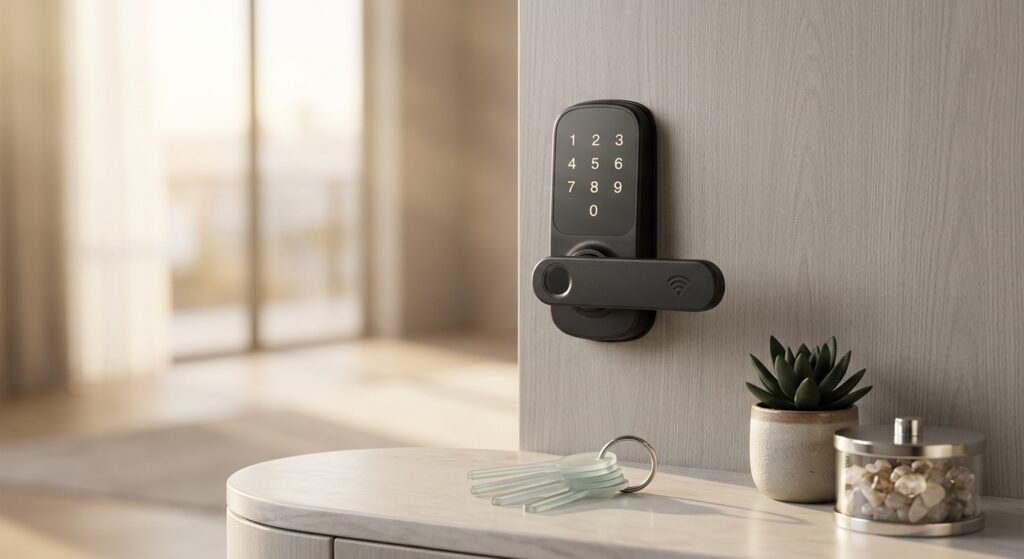
Imagine a world where forgotten keys are no longer a concern, and remote access to your home or office is just a tap away. This is not science fiction; it’s the reality of Wi-Fi-enabled door locks. As the global smart lock market is projected to reach $5.7 billion by 2026 (Statista, 2024), the adoption of Wi-Fi locks is reshaping security standards for residential and commercial properties alike.
Understanding Market Demand for Wi-Fi Door Locks
The demand for smart locks, including Wi-Fi-enabled options, is surging. In fact, industry data from McKinsey reveals that smart home devices are seeing a compound annual growth rate (CAGR) of 23%, with locks being among the fastest-growing categories. But why are Wi-Fi door locks gaining traction?
Convenience is a major driver. A study by Euromonitor shows that 68% of consumers prioritize ease of use over all other features in security devices. Additionally, advances in biometric technology, such as fingerprint scanning, have made these locks even more secure. Brands like Yale and August are setting benchmarks with features like app control, remote access, and integration with home automation systems.

Key Features and Insights from Industry Experts
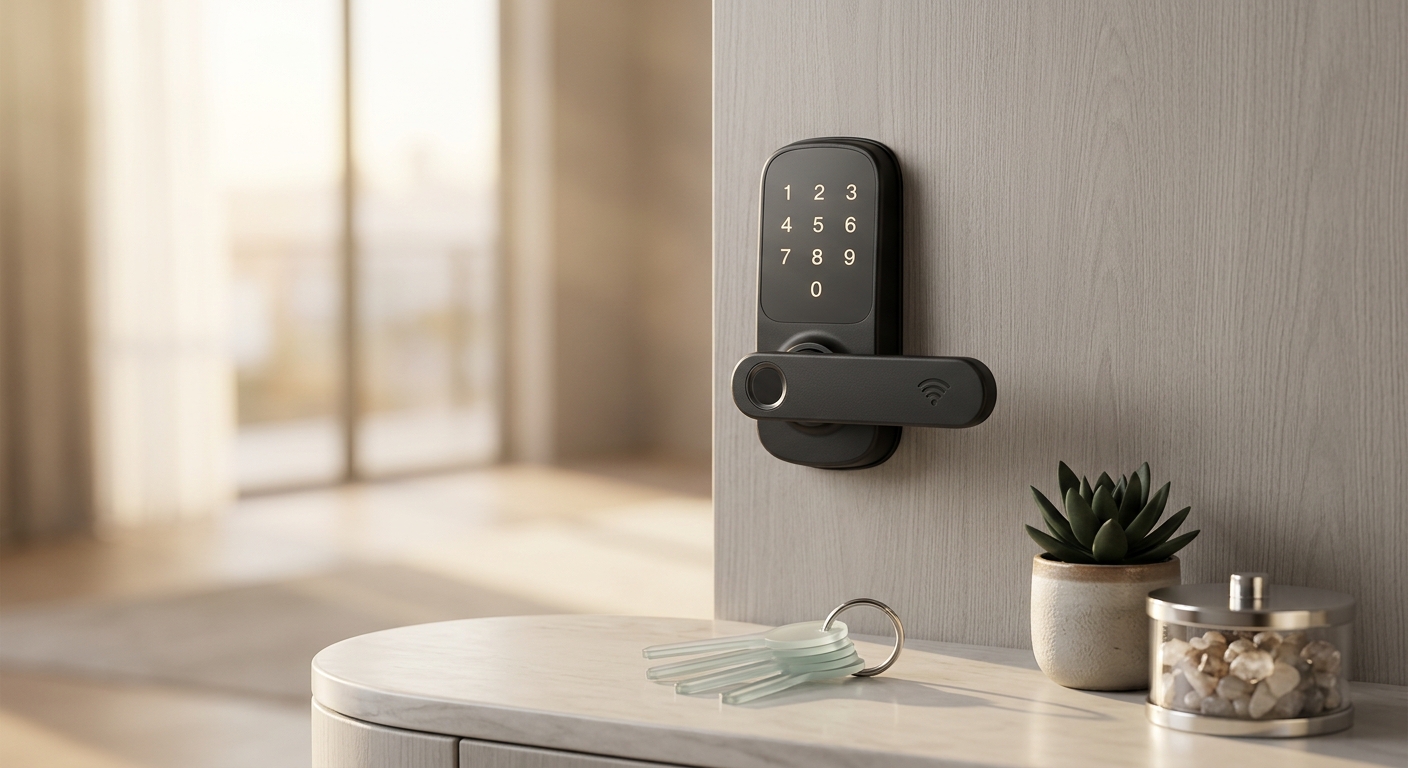
Wi-Fi door locks offer a plethora of features that appeal to both homeowners and businesses. From fingerprint access to integration with virtual assistants like Alexa, these locks are packed with technological innovations.
Dr. Amanda Li, a cybersecurity expert, explains, “Wi-Fi door locks are more than just a convenience; they represent a shift in how we approach property security. The ability to control access remotely and receive real-time alerts adds a layer of security that traditional locks simply cannot match.”
Statistics further support this trend. A Nielsen report found that 72% of users cite real-time monitoring as a key reason for adopting smart locks. For business applications, the ability to track entry logs and manage multiple locks through centralized systems is invaluable.
Compliance and Standards for Wi-Fi Door Locks
For manufacturers and suppliers looking to enter the Wi-Fi lock market, compliance with industry standards is non-negotiable. Leading products meet certifications like ANSI Grade 1 for durability and ISO 9001 for quality management. Additionally, Wi-Fi locks must adhere to stringent cybersecurity protocols to safeguard user data.
For instance, products like the Yale Assure Lock and Kwikset Halo feature encrypted communication to prevent hacking attempts. These locks also undergo rigorous testing to ensure resistance to physical tampering.

Implementation Guide: Choosing the Right Wi-Fi Lock
Whether you’re outfitting a residential property or upgrading a commercial space, selecting the right Wi-Fi lock involves careful consideration.
- Assess Connectivity: Opt for locks compatible with your existing Wi-Fi network and smart home ecosystem.
- Evaluate Security Features: Look for biometric options like fingerprint scanning and two-factor authentication.
- Check Integration Options: Ensure compatibility with virtual assistants like Google Assistant or Amazon Alexa.
Success metrics include reduced security incidents, improved user satisfaction, and streamlined property management. For businesses ready to integrate such solutions, partnering with experienced manufacturers like 7STAR provides factory-direct pricing, low MOQs starting at 500 units, and FDA-certified production.
Future Outlook and Strategic Recommendations
The future of Wi-Fi door locks is bright. A 2024 report by Grand View Research projects a 19% CAGR for the global market, driven by increased adoption in urban areas and growing interest in smart home technology.
To stay ahead, manufacturers should focus on expanding compatibility with IoT devices and enhancing cybersecurity features. Businesses should prioritize locks with advanced analytics capabilities to track usage patterns and optimize security protocols. For tailored solutions, 7STAR offers over 5000 proven formulations and 10+ years of industry expertise.
Frequently Asked Questions
Is it worth having a Wi-Fi door lock?
Absolutely. Wi-Fi door locks provide unmatched convenience and enhanced security. A study by Statista shows that over 55% of homeowners who adopt smart locks cite remote access as a primary benefit. These locks allow users to control entry, monitor activity, and receive alerts—all from their smartphones. For businesses, Wi-Fi locks simplify access management across multiple locations. However, it’s crucial to choose a lock with robust cybersecurity features to prevent unauthorized access.
What is the best wifi-enabled door lock?
The best Wi-Fi-enabled door lock depends on your specific needs. For homeowners, the Yale Assure Lock offers seamless integration with smart home systems and fingerprint access. Businesses may prefer the Kwikset Halo for its robust security and encrypted connectivity. Industry expert Dr. Amanda Li recommends locks with ANSI Grade 1 certification for durability and ISO compliance for quality assurance. Review features carefully to match your requirements.
What are the disadvantages of a smart door lock?
While smart locks offer numerous advantages, they also have limitations. For instance, Wi-Fi locks depend on reliable internet connectivity. A power outage or network failure could temporarily disrupt functionality. Additionally, cybersecurity is a concern; users must ensure their locks have encryption protocols to prevent hacking. Despite these challenges, the benefits often outweigh the drawbacks, particularly when paired with trusted brands like Yale or August.
How do Wi-Fi door locks work?
Wi-Fi door locks connect to your home or office network, allowing remote access through a mobile app. These locks often feature biometric authentication, PIN codes, or physical keys as backup options. Data is transmitted securely to provide real-time notifications and entry logs. For enhanced functionality, many Wi-Fi locks integrate with virtual assistants like Alexa or Google Assistant, enabling voice control. Manufacturers like 7STAR specialize in advanced Wi-Fi lock solutions.
What is the best Wi-Fi door lock with a camera?
Locks with integrated cameras, such as the Lockly Vision, are ideal for users seeking both access control and visual monitoring. These locks feature high-definition cameras that provide live feeds and motion detection alerts. For businesses, camera-enabled locks offer added security by capturing entry images. Ensure the camera is equipped with infrared capabilities for nighttime use and encrypted data transmission to protect privacy.
What is the best Wi-Fi door lock with a handle?
The Yale Assure Lever Lock is a standout choice for users seeking Wi-Fi locks with integrated handles. Designed for interior doors, this lock combines sleek aesthetics with advanced features like app control and biometric access. It’s perfect for offices or shared spaces where ease of use and aesthetics are crucial. For bulk orders, manufacturers like 7STAR offer competitive pricing and customization options.