
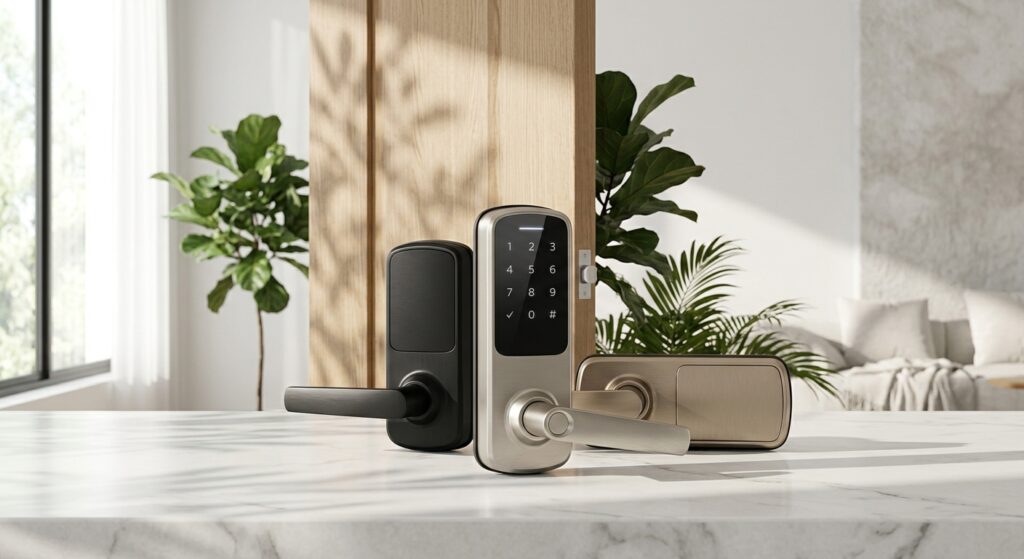
The global smart lock market is projected to grow at a compound annual growth rate (CAGR) of 14.5% from 2023 to 2026, driven by increasing consumer demand for enhanced security and seamless integration with smart home systems (Statista, 2024). As technology evolves, keypad door locks are becoming a cornerstone of modern home security, offering keyless entry, advanced safety features, and compatibility with IoT ecosystems.
Understanding the Smart Lock Landscape: Market Insights and Trends
By 2026, the smart lock market is expected to reach a valuation of $4.2 billion, with substantial growth observed in North America and Europe (Euromonitor, 2024). This surge is attributed to rising awareness about home security and the adoption of smart home technologies. Notable brands like Schlage, Yale, and Kwikset continue to lead innovation, focusing on features such as biometric access, remote connectivity, and enhanced durability.
Industry data from McKinsey reveals that more than 60% of consumers prioritize locks that integrate seamlessly with existing smart home systems. Additionally, trends indicate an increased preference for locks with backup mechanical keys and non-WiFi options for enhanced security.
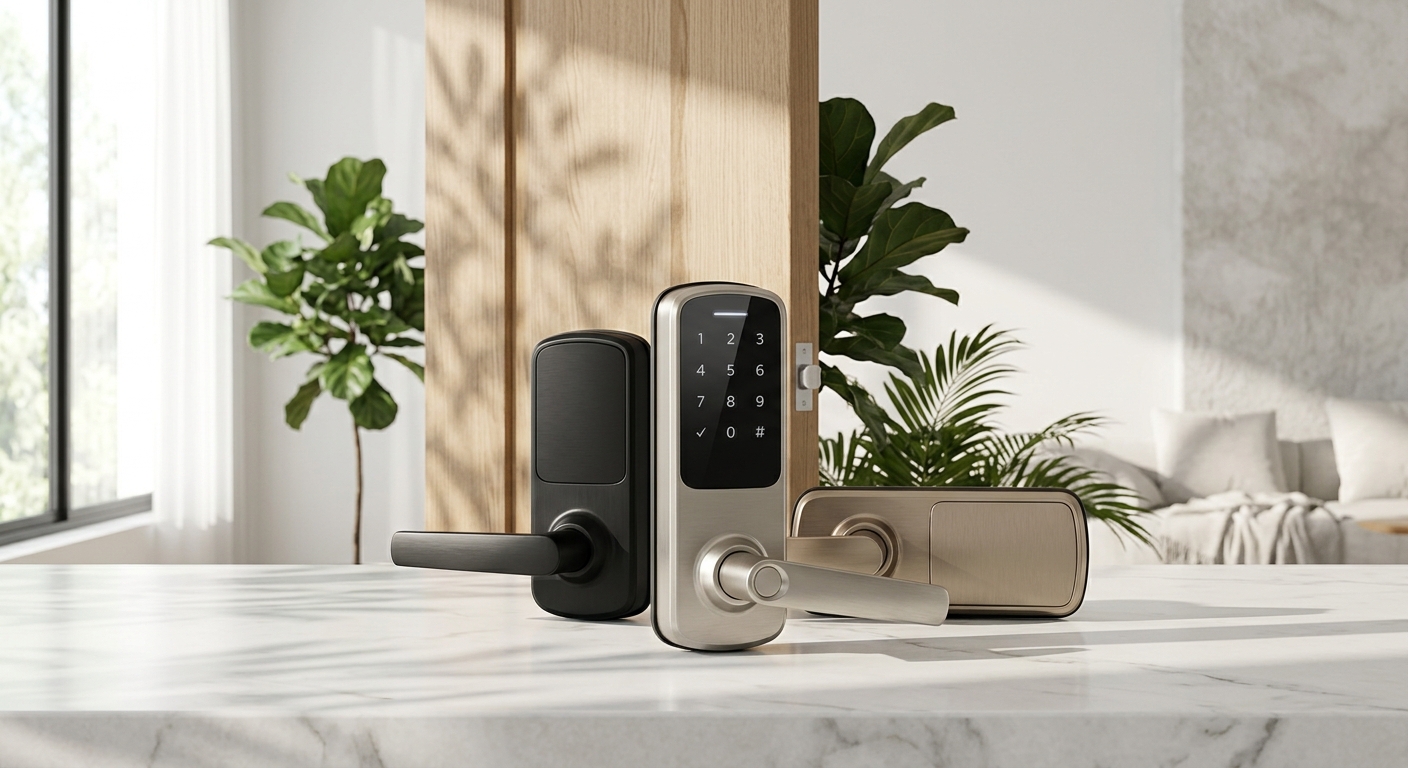
Key Features to Look for in a Smart Keypad Door Lock: Expert Insights
When selecting the best keypad door lock for your needs, several factors come into play:
- Security Features: Look for ANSI Grade 1 certifications and anti-tampering technologies.
- Smart Home Integration: Ensure compatibility with popular systems like Google Home, Amazon Alexa, and Apple HomeKit.
- Battery Life: Opt for models with long-lasting batteries or power-saving modes.
- Ease of Installation: Choose locks that are user-friendly and come with comprehensive installation guides.
Dr. Sarah Bennett, a home security expert, emphasizes, “Consumers should prioritize locks that balance convenience with robust security features. Advanced models like the Schlage Encode Plus and Yale Assure Lock 2 are excellent examples of innovation in the market.”
Statistics show that 72% of homeowners prefer locks offering remote access control through mobile apps (Grand View Research, 2024).
Industry Standards and Best Practices for Smart Locks
Compliance with regulatory standards is non-negotiable when choosing a smart lock. Key certifications to look for include:
- ANSI/BHMA: Ensure locks meet Grade 1 or Grade 2 standards for durability and security.
- FCC Compliance: For locks with WiFi or Bluetooth connectivity.
- ISO 9001: Indicates rigorous quality management during manufacturing.
- CE Marking: Essential for products sold in Europe.
For businesses and distributors, partnering with manufacturers like 7STAR ensures access to locks that meet these high standards, backed by certifications like FDA, GMP, and ISO 22716. Their expertise in producing over 5000 formulations ensures quality and reliability.
Implementation Guide: Choosing the Right Lock and Measuring Success
To implement smart keypad door locks effectively, businesses should follow these steps:
- Identify Key Needs: Assess security requirements and compatibility needs.
- Compare Features: Review options like biometric access, remote control, and durability.
- Test Performance: Conduct trials to ensure reliability in real-world scenarios.
Success metrics include reduced break-ins, increased consumer satisfaction, and positive feedback on ease of use. A study by Nielsen found that homes with smart locks reported 35% fewer security breaches compared to traditional locks.
Future Outlook and Strategic Recommendations
The future of smart locks lies in expanding compatibility with IoT ecosystems, enhancing battery efficiency, and integrating AI for predictive security alerts. By 2026, consumer demand for locks with biometric authentication is projected to double, alongside increased adoption in Europe and Asia (Euromonitor, 2024).
For businesses, partnering with certified manufacturers like 7STAR ensures access to cutting-edge technology, factory-direct pricing, and low MOQs starting at 500 units. As this market continues to evolve, staying ahead of trends will be key to capturing consumer interest.