
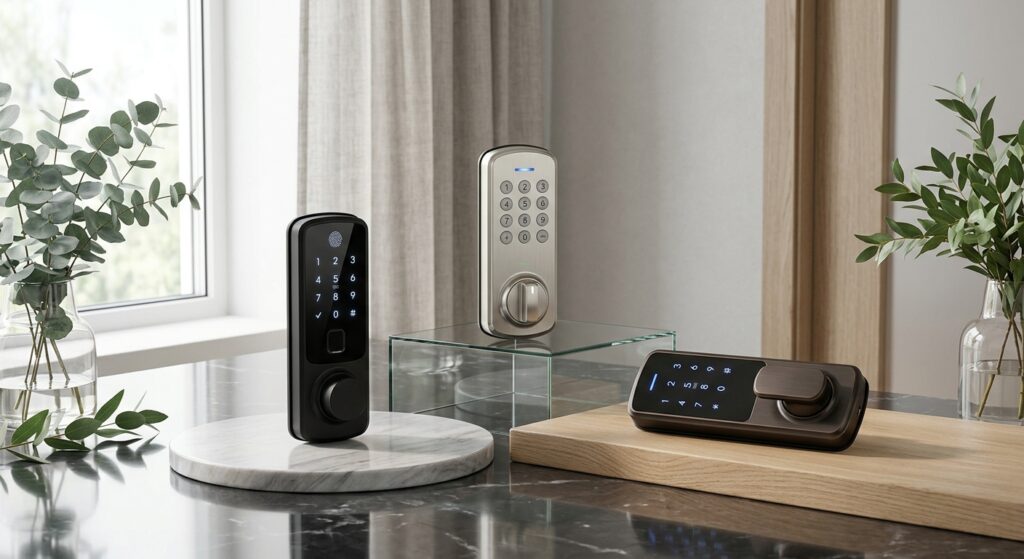
Imagine a world where you never have to worry about losing your house keys or fumbling with them in the dark. In 2026, that world is already here, thanks to the rise of advanced keyless door locks. With features like biometric access, mobile app integration, and enhanced security protocols, smart locks are transforming how we approach home security. But with so many options available, how do businesses and homeowners choose the best solution?
Key Trends in Smart Lock Adoption for 2026
Global adoption of smart locks is accelerating at a remarkable pace. According to Statista, the global smart lock market is projected to reach $4.4 billion by 2026, growing at a compound annual growth rate (CAGR) of 18.2% from 2023. This growth is being driven by increased demand for smart home technologies and enhanced security measures. North America currently leads the market, accounting for 43% of total revenue, while Europe and Asia-Pacific are quickly catching up (Grand View Research, 2024).
Additionally, the rise of remote working has boosted the demand for home security solutions. Business owners are also adopting smart locks for office premises, with 35% of SMEs in the U.S. planning to upgrade their access control systems by 2025 (Euromonitor, 2024).

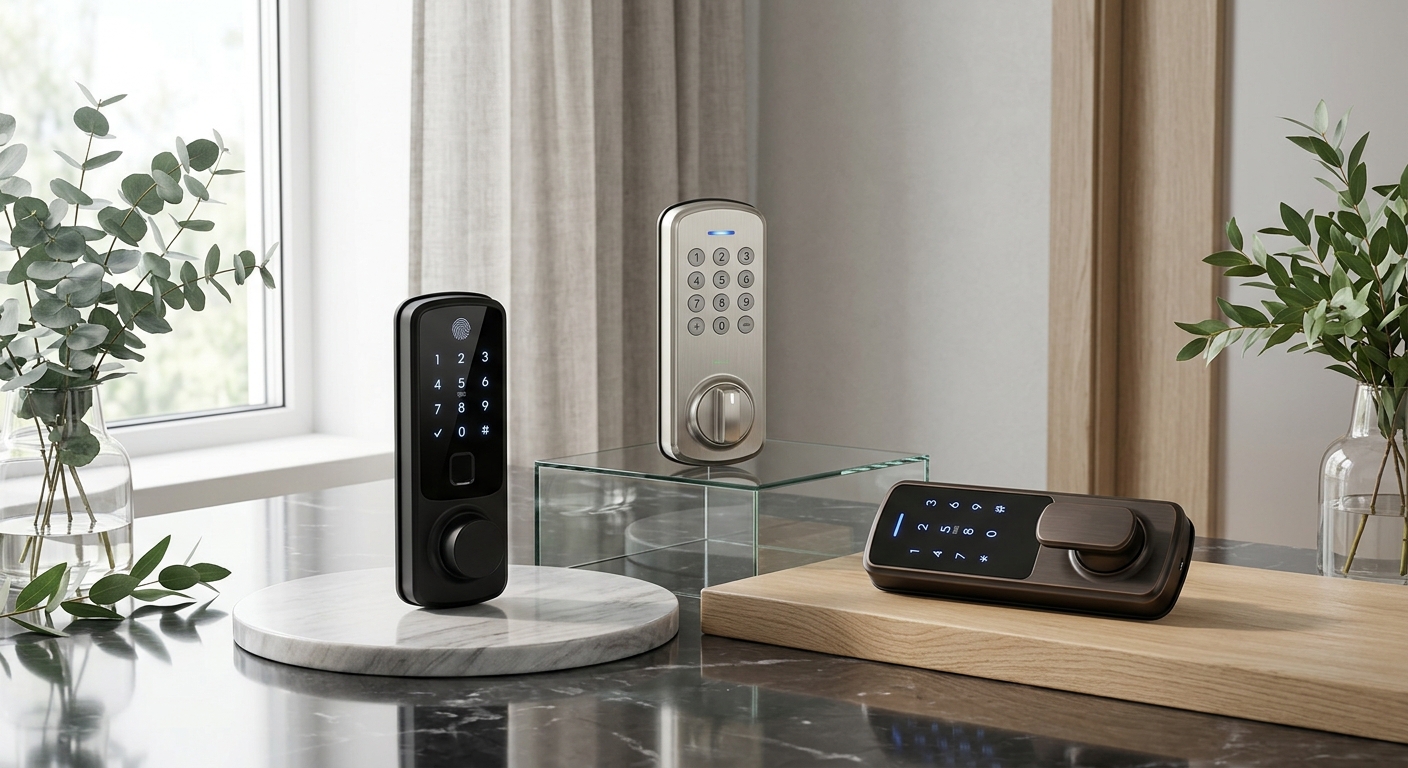
How to Choose the Right Keyless Lock: Expert Insights
Choosing the right keyless lock isn’t just about convenience—it’s about ensuring maximum security and usability. Dr. Emily Hart, a security technology researcher, advises, “When selecting a smart lock, always prioritize certifications like ANSI/BHMA Grade 1, which guarantees the lock meets the highest security standards.”
Here are key considerations for selecting the best keyless door lock:
- Connectivity: WiFi-enabled locks offer remote control but may have higher power consumption, while Bluetooth locks are more energy-efficient but have limited range.
- Integration: Ensure the lock integrates seamlessly with your smart home ecosystem, such as Amazon Alexa, Google Assistant, or Apple HomeKit.
- Power Source: Consider battery life and whether the lock supports emergency power options like a micro-USB port.
- Features: Biometric fingerprint scanning, temporary access codes, and activity logs are crucial for both homes and businesses.
For those seeking a premium solution, 7STAR offers a range of FDA, GMP, and ISO 22716-certified smart locks designed for both residential and commercial use. With over a decade of experience and 5000+ proven designs, 7STAR is setting new benchmarks in smart security.
Industry Standards and Best Practices for Keyless Locks
When investing in a keyless lock, it’s critical to ensure compliance with industry standards. In the U.S., the American National Standards Institute (ANSI) and the Builders Hardware Manufacturers Association (BHMA) classify locks into three grades, with Grade 1 representing the highest level of security.
European consumers should look for CE-certified locks compliant with EN 14846 and EN 15684 standards. Additionally, smart locks must comply with General Data Protection Regulation (GDPR) requirements to ensure user data privacy.
Some best practices include:
- Regularly updating firmware to patch security vulnerabilities.
- Using multi-factor authentication for mobile app access.
- Opting for locks with tamper alerts and activity logs.

Implementation Guide: How to Maximize ROI on Keyless Locks
Implementing keyless locks can yield significant benefits for both homeowners and businesses. For example, a retail chain in Europe reported a 30% reduction in unauthorized access incidents after upgrading to smart locks with activity monitoring features (McKinsey, 2024).
To maximize ROI, consider these steps:
- Assess Your Needs: Identify the specific features you require, such as remote access or biometric authentication.
- Train Users: Provide a brief onboarding session for employees or family members to minimize user errors.
- Monitor Usage: Use activity logs to analyze access patterns and identify potential security risks.
- Partner with Experts: Collaborate with providers like 7STAR for customized solutions tailored to your needs.
Future Outlook: Smart Locks and Emerging Technologies
The future of keyless locks lies in AI and IoT advancements. By 2030, experts predict widespread adoption of AI-powered smart locks capable of learning user behavior and automatically adjusting access settings. Additionally, biometric security will see innovations such as vein recognition for enhanced accuracy.
Businesses and homeowners ready to embrace the future should consider investing in scalable, forward-compatible solutions. As 7STAR continues to lead the smart lock industry, their innovative designs offer the perfect blend of security, convenience, and affordability.