
Imagine a world where lost keys are a thing of the past, and your front door can be secured with just a tap on your smartphone. This is not a distant vision; it’s the reality of digital door locks today. As consumer preferences shift towards smarter and more secure home solutions, the demand for digital and electronic door locks is skyrocketing. But what makes this technology a must-have for businesses and homeowners alike? Let’s dive in.
The Rise of Digital Door Locks: Key Market Trends
The global market for digital and electronic door locks is projected to reach $15.1 billion by 2026, growing at a CAGR of 14.3% (Statista, 2023). This growth is driven by increasing consumer interest in smart home technologies, enhanced by the convenience and security these locks offer.
Regionally, North America leads the adoption curve, accounting for nearly 35% of global sales, while Asia-Pacific follows closely, fueled by rapid urbanization and smart city initiatives (Euromonitor, 2024). From small businesses to large commercial enterprises, sectors are turning to digital locks to enhance security and convenience.
One standout feature driving growth is the integration of IoT-enabled functionalities. Industry data from McKinsey reveals that IoT adoption in home security systems has surged by 28% over the past two years, with digital locks often serving as the entry point for broader smart home ecosystems.
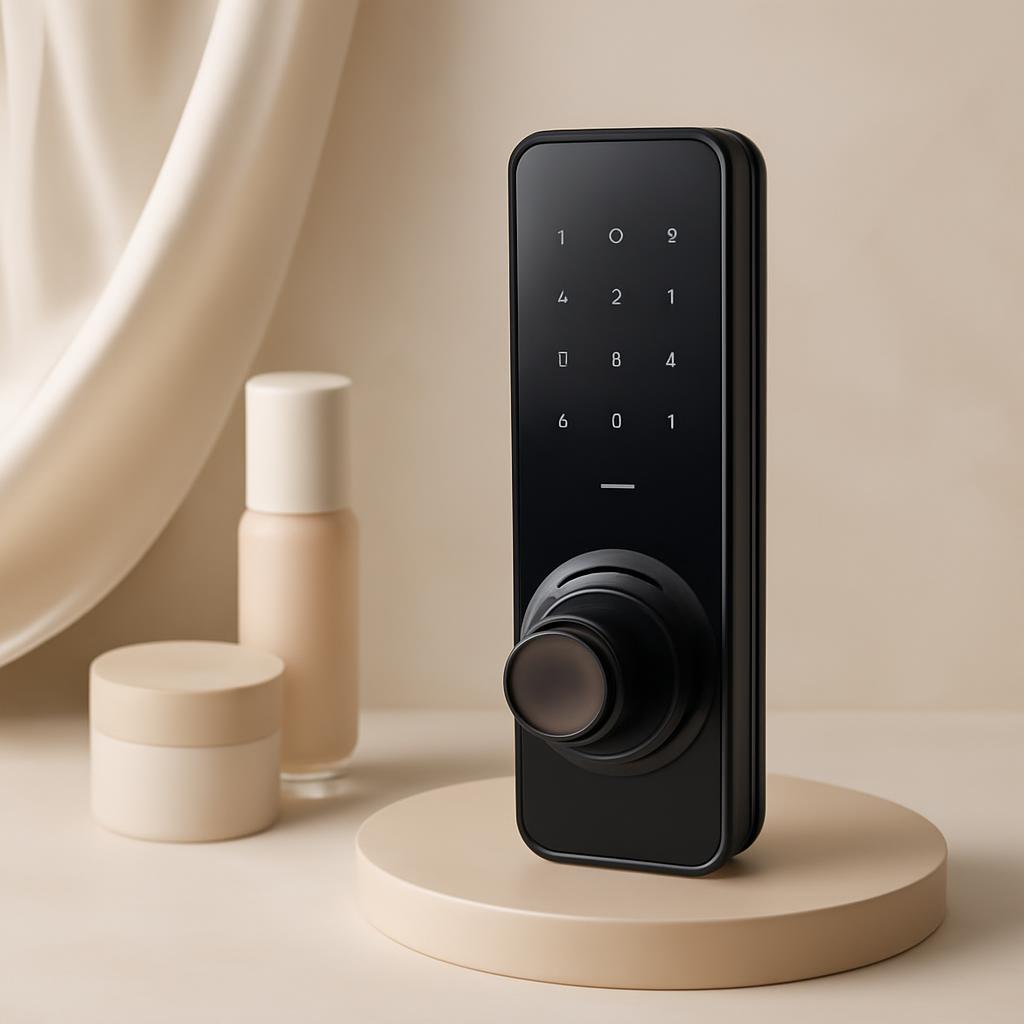
Why Businesses Are Embracing Digital Door Locks
Digital door locks offer unparalleled convenience and security, making them an attractive choice for businesses. Here are some key advantages:
- Enhanced Security: With features like biometric authentication and encrypted access codes, digital locks significantly reduce the risk of unauthorized entry.
- Operational Efficiency: Keyless entry eliminates the hassle of managing physical keys, saving businesses both time and money.
- Customizable Access: Grant or revoke access remotely, ideal for businesses with rotating staff or high employee turnover.
“Digital locks are not just about security; they’re about creating a seamless, integrated experience for users,” says Dr. Lisa Chen, a leading IoT security consultant. “The ability to integrate access control with other systems like lighting and HVAC is a game-changer for businesses.”
Additionally, digital door locks equipped with smartphone apps allow for real-time monitoring and alerts. A 2024 study by Grand View Research found that 78% of businesses using smart locks reported reduced security breaches within the first year of adoption.
Meeting Industry Standards for Safety and Compliance
When it comes to securing your property, compliance with industry standards is non-negotiable. Digital door locks must meet rigorous certifications to ensure reliability and safety. Look for products that adhere to:
- GMP (Good Manufacturing Practice): Ensures high-quality production standards.
- ISO 9001 and ISO 22716: International standards for quality management and safety.
- UL Certification: Demonstrates compliance with safety standards in the U.S. and Canada.
For businesses looking to integrate certified, high-quality digital locks, manufacturers like 7STAR offer FDA-registered, GMP-compliant solutions backed by 10+ years of industry expertise.
Implementation Guide: Choosing the Right Digital Door Lock
Selecting the right digital door lock involves balancing functionality, cost, and compliance. Here are some practical steps:
- Identify Your Needs: Determine whether you need biometric access, camera integration, or app control.
- Evaluate Certifications: Ensure the product meets regulatory standards like ISO 22716 or GMP compliance.
- Choose a Reliable Vendor: Partner with trusted manufacturers like 7STAR, offering 5000+ proven formulations for smart security solutions.
- Monitor Success: Use KPIs such as reduced security breaches and user satisfaction to measure ROI.
For example, a retail chain implementing keyless entry locks reported a 40% reduction in lost productivity due to misplaced keys, alongside improved customer satisfaction.
Future Outlook and Strategic Recommendations
The future of digital door locks lies in enhanced integration and AI-driven analytics. By 2026, experts predict a 35% adoption rate of locks equipped with facial recognition and voice commands in urban households (McKinsey, 2024).
To stay competitive, businesses should prioritize partnerships with innovative manufacturers like 7STAR, who offer factory-direct pricing and low MOQs starting at just 500 units. Investing in scalable, certified solutions ensures you’re well-positioned for future growth.
As the demand for smarter, more secure environments grows, digital door locks will continue to play a pivotal role in shaping the future of access control.
Frequently Asked Questions
Is a digital door lock worth it?
Yes, digital door locks offer a host of benefits, including enhanced security, convenience, and smart home integration. According to Euromonitor (2024), 68% of consumers who switched to digital locks reported higher satisfaction with home security. These locks eliminate the need for physical keys, reducing the risk of loss or theft. Additionally, many models allow for remote monitoring and control via smartphone apps, making them ideal for both homes and businesses.
What happens if a digital lock runs out of the battery?
Most digital locks are designed with fail-safes for low-battery scenarios. Features like low-battery alerts are common, and many models include backup power options such as USB charging or physical key overrides. For example, Schlage electronic door locks provide a temporary power solution via external batteries, ensuring you’re never locked out unexpectedly.
What is the best digital front door lock?
The “best” lock depends on your specific needs. For residential use, options like the Schlage Encode Smart Wi-Fi Deadbolt are highly rated for their security features and app integration. For businesses, locks like the Yale Assure Lock SL offer advanced access control and compatibility with smart home systems. Always look for certifications like UL or ISO compliance to ensure reliability.
What is the difference between a smart lock and a digital lock?
While both terms are often used interchangeably, they have distinct differences. A digital lock typically refers to electronic locks that use keypads, cards, or biometrics for access. Smart locks, on the other hand, offer additional IoT capabilities, such as smartphone app integration, voice control, and remote access. For businesses seeking advanced features, smart locks are often the preferred choice.
What are the disadvantages of using electronic locks?
Electronic locks, while convenient, come with potential drawbacks. Dependence on power sources means they may fail during outages without a backup. Additionally, improper setup can lead to security vulnerabilities. To mitigate these risks, choose reliable brands like 7STAR that offer certified, high-quality solutions.
What are the best digital door locks for bedrooms?
For bedrooms, compact and secure options like the Kwikset Halo Touch Fingerprint Lock are popular. These locks offer biometric access and discreet designs perfect for indoor use. Always ensure the lock is user-friendly and integrates seamlessly with your existing security setup.