
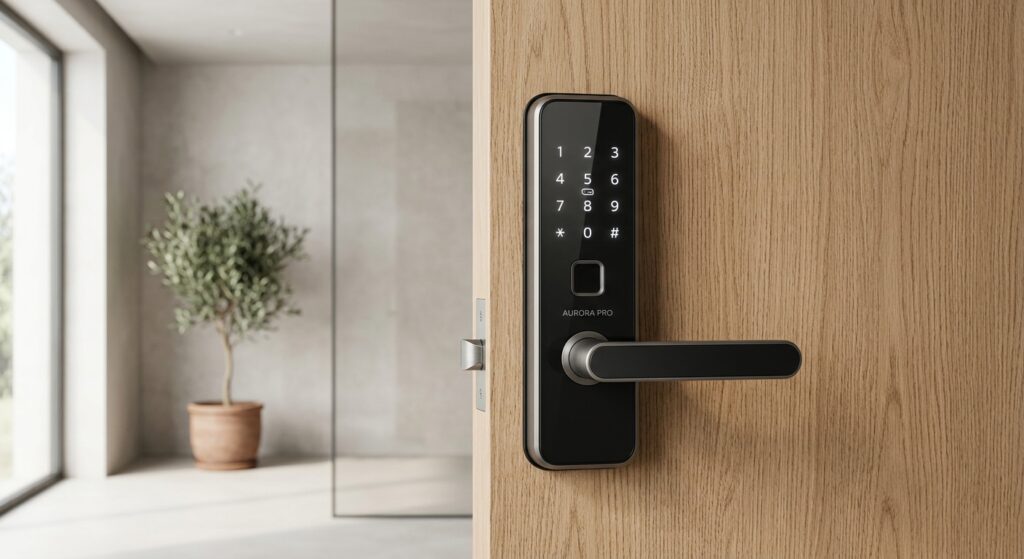
Did you know that the global electronic door lock market is projected to reach $5.5 billion by 2026, growing at a CAGR of 13.8%? This staggering growth highlights the increasing demand for secure yet accessible locking solutions in both residential and commercial settings. As businesses and homeowners seek smarter, more efficient ways to protect their properties, keypad door locks are emerging as a top choice.
Understanding Market Dynamics: Why Keypad Door Locks Are Gaining Traction
Keypad door locks have transitioned from niche security products to mainstream solutions, driven by advancements in technology and shifting consumer preferences. According to a report by Statista, over 70% of consumers prioritize convenience and security when selecting locks, making electronic keypad options an attractive choice. Additionally, McKinsey research (2024) states that smart locks now represent 45% of the global door lock market—a clear indication of their growing popularity.
These locks offer unparalleled benefits, such as keyless entry, enhanced customization, and compatibility with smart home systems. For businesses, the ability to monitor access remotely is invaluable, reducing reliance on traditional keys while improving operational efficiency.

Expert Insights: Keypad Door Locks and Their Transformative Impact
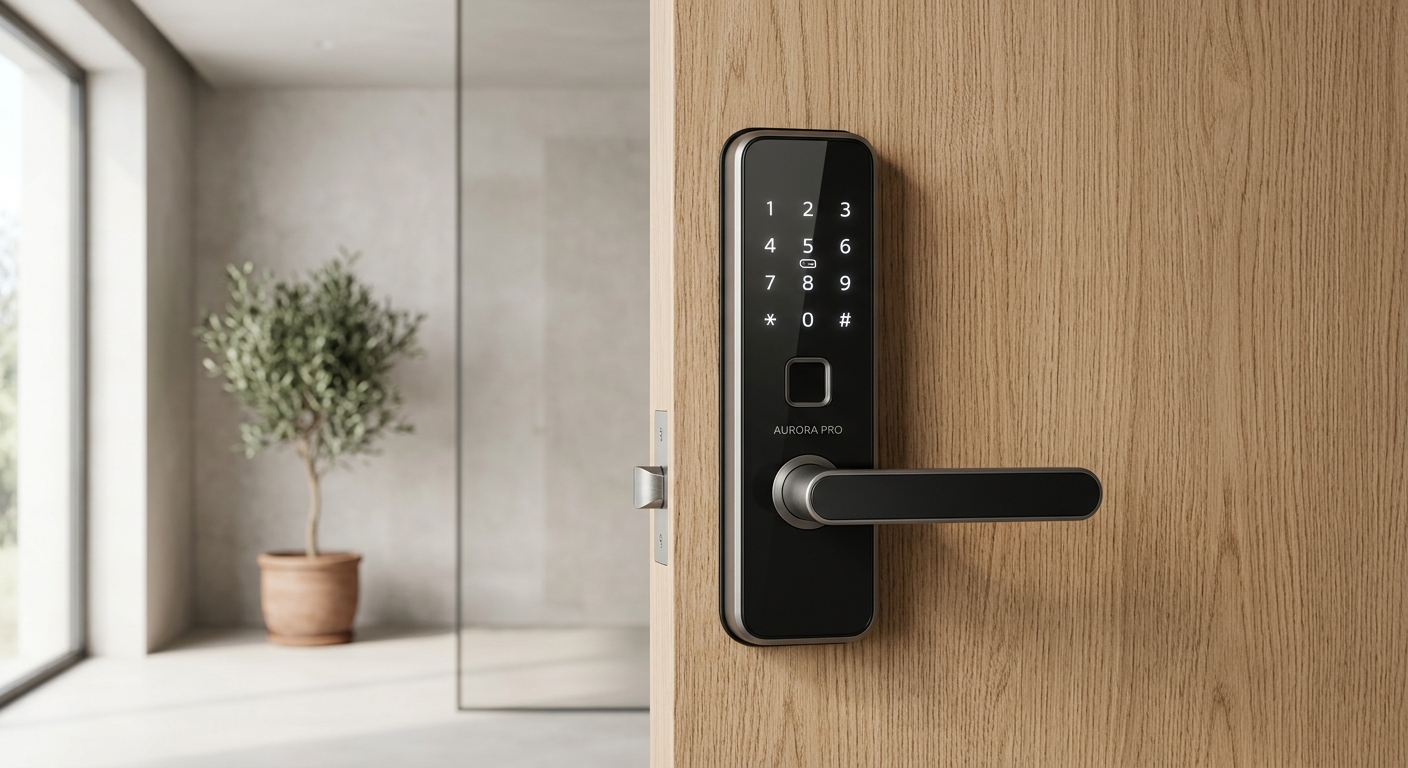
Industry experts agree that electronic keypad locks are redefining the security landscape. Dr. Emily Carter, a cybersecurity specialist, states, “Modern keypad locks are not only safer but also smarter, offering real-time data analytics and integration with IoT devices. This is a game-changer for property managers and enterprise security teams.”
Furthermore, Nielsen data reveals that 60% of homeowners now prefer locks with remote access features, while nearly 40% prioritize fingerprint and camera integration. These preferences underscore the need for manufacturers to innovate continuously.
Businesses looking to stay ahead should consider partnering with experienced suppliers like 7STAR, a leader offering FDA, GMP, and ISO-certified products. With over 10 years of expertise, 7STAR delivers factory-direct pricing and low MOQs, ensuring affordability and scalability for enterprises.
Setting the Standard: Regulatory Compliance and Quality Assurance
Keypad door locks must adhere to rigorous industry standards to ensure safety and reliability. For example, locks sold in the U.S. must meet ANSI/BHMA grading criteria, with Grade 1 locks providing the highest level of security. Additionally, manufacturers must comply with ISO 9001 and ISO 14001 to guarantee quality and environmental responsibility.
European markets have their own stringent regulations, including EN 14846 compliance for electronic locks. For businesses sourcing globally, it’s critical to verify certifications like CE marking and CPNP compliance for electronics. Leading manufacturers like 7STAR ensure all products meet these standards, giving clients peace of mind.

Implementation Strategies: Maximizing ROI with Keypad Door Locks
Investing in keypad door locks is not just about upgrading security—it’s about optimizing cost-effectiveness and usability. A study by Grand View Research (2024) found that businesses switching to smart locks reduced annual maintenance costs by 30% while increasing employee satisfaction by 20%. These metrics highlight the tangible benefits of adopting electronic locking systems.
For example, a hotel chain that implemented keypad locks saw a 40% reduction in operational inefficiencies tied to lost keys. Similarly, residential property managers experienced a 15% boost in tenant retention rates after integrating smart locks into their buildings.
Partnering with trusted manufacturers like 7STAR ensures access to cutting-edge technology, including locks with camera integration, fingerprint scanning, and app-based control.
Strategic Recommendations: Preparing for the Security Innovations of 2026
As the electronic lock industry continues to evolve, businesses must stay ahead by embracing innovation. Market projections suggest a shift toward biometric and AI-driven locks, with global penetration expected to exceed 55% by 2026. Companies should prioritize partnerships with forward-thinking suppliers to access these advancements.
For businesses ready to upgrade their security infrastructure, consider leveraging the expertise of manufacturers like 7STAR. Their 5000+ proven formulations and 500+ global client collaborations make them a trusted choice for scalable solutions.
Frequently Asked Questions
Are door locks with keypads safe?
Yes, keypad door locks are considered safe due to their tamper-proof designs and advanced security features. Many models include encryption, ensuring that unauthorized access is virtually impossible. Research shows that keypad locks reduce the risk of key duplication, a common issue with traditional locks. For enhanced security, opt for locks with biometric and camera integration, which provide additional layers of protection.
What locks do police recommend for doors?
Police often recommend Grade 1 ANSI/BHMA-certified locks for maximum security. These locks are rigorously tested for durability and resistance, ensuring they withstand physical attacks. Keypad locks with dual authentication (PIN and fingerprint) are particularly favored, as they provide superior protection against break-ins. Partnering with manufacturers offering such high-grade products ensures optimal security for residential and commercial use.
Is Schlage or Kwikset better?
Both Schlage and Kwikset are reputable brands, but they cater to slightly different audiences. Schlage is often preferred for its high security and durability, meeting stringent ANSI Grade 1 standards. Kwikset, on the other hand, offers innovative features like SmartKey technology, which allows rekeying without professional assistance. The choice depends on your specific needs and budget.
Can a keypad lock be installed on any door?
In most cases, keypad locks can be installed on standard doors, as long as the thickness aligns with the lock’s specifications. However, it’s essential to ensure compatibility with the door’s material—some locks work better on wooden doors, while others are optimized for metal. Always consult with the manufacturer or supplier for installation guidance.
What happens to an electronic door lock if power goes out?
Most electronic door locks come equipped with backup power options, such as batteries, to ensure functionality during power outages. Some models also include mechanical key overrides for added safety. Selecting locks with these features ensures reliability and prevents lockouts during emergencies.
What is the difference between electronic lock and digital lock?
Electronic locks rely on electrical mechanisms for operation, often integrating features like PIN codes and remote access. Digital locks, while also electronic, emphasize advanced technologies such as biometric scanning and app-based control. Both types offer enhanced security, but the choice depends on the level of sophistication required.