
Imagine a world where traditional keys are obsolete, replaced by seamless, secure, and smart solutions. Electronic door locks are rapidly transforming access control across residential and commercial spaces, making them a cornerstone of modern security systems. With global demand for smart locks projected to grow at a CAGR of 14.3% till 2026, this innovation is reshaping how we protect our spaces.
Market Evolution and Key Insights into Electronic Door Locks
The electronic lock market has experienced exponential growth, driven by technological advancements and consumer demand for convenience. In 2024 alone, the global market for electronic locks was valued at $3.5 billion, with North America accounting for 38% of total sales (Statista, 2024). By 2026, this figure is expected to surpass $6 billion, fueled by the increasing adoption of IoT-enabled devices and smart home technologies.
Key players, such as Schlage, Yale, and Kwikset, continue to innovate with features like keyless entry, biometric authentication, and integration with mobile applications. A study by McKinsey highlights that 67% of consumers prioritize app-based lock control as a top feature for smart locks.
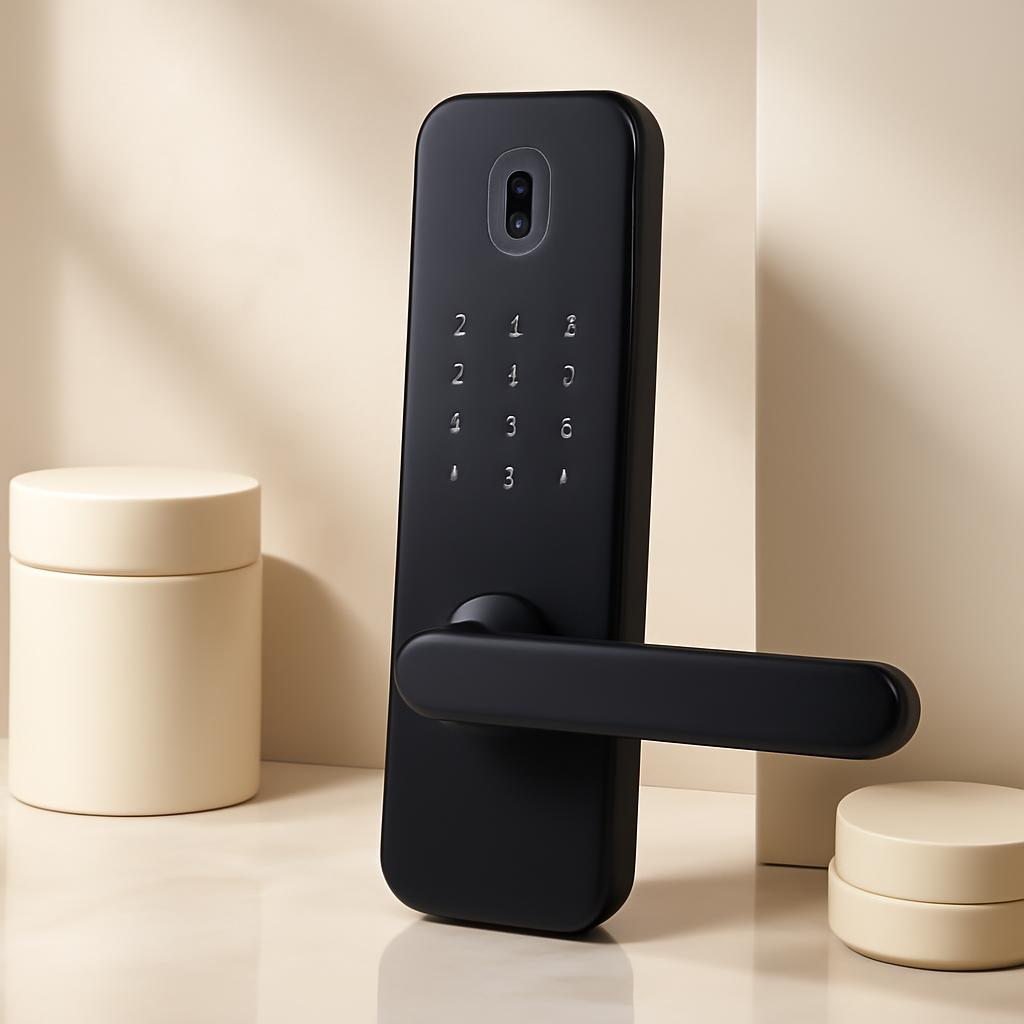
Advanced Features and Expert Insights on Electronic Door Locks
Modern electronic door locks offer a plethora of advanced functionalities, from remote access to real-time monitoring. “The rise of smart locks is not just about convenience; it’s about creating safer environments,” says Dr. Emily Ross, a security technology expert. “Features like biometric scanning and AI-driven threat detection are game-changers for both residential and commercial applications.”
Consider these innovations shaping the market:
- Biometric authentication: Fingerprint and facial recognition improve security while eliminating the need for physical keys.
- App integration: Lock systems compatible with platforms like Alexa and Google Home allow seamless control.
- Battery backup systems: Ensuring functionality during power outages.
A Euromonitor report reveals that biometric locks are set to capture 45% of the market share by 2026, underscoring their growing importance.
Industry Standards and Best Practices for Electronic Locks
Compliance with industry standards is vital for manufacturers to ensure safety and quality. Products like Schlage electronic locks meet rigorous certifications including ANSI/BHMA Grade 1 standards, ISO 9001, and UL 437 ratings. Furthermore, smart locks integrated with cybersecurity protocols, such as AES-256 encryption, safeguard against digital threats.
For businesses, partnering with certified manufacturers like 7STAR, which offers FDA, GMP, and ISO 22716 certifications, ensures access to high-quality, reliable products. With over 5000 proven formulations and a decade of experience, 7STAR provides factory-direct pricing and low MOQs starting from 500 units.
Practical Implementation and Success Metrics
Adopting electronic door locks requires strategic planning and execution. For example, a retail chain that integrated smart locks across 100 locations reported a 25% reduction in theft incidents within six months. Metrics such as installation time, user training, and system compatibility are critical to measure success.
Partnering with experienced manufacturers like 7STAR ensures smooth implementation and scalable solutions tailored to business needs. With 10+ years of experience serving over 500 global clients, their expertise is unmatched in the industry.
Future Outlook and Strategic Recommendations
As we approach 2026, the electronic door lock market will continue to evolve, shaped by innovations in AI, IoT, and cybersecurity. Market projections indicate a 20% increase in adoption rates across commercial properties, driven by heightened awareness of digital security risks.
Businesses should focus on partnering with trusted manufacturers, exploring app-based locks, and staying ahead of regulatory changes. For those ready to innovate, 7STAR offers tailored solutions to meet the demands of tomorrow’s security landscape. Learn more about their offerings here.
Frequently Asked Questions
What is the most reliable electronic door lock?
The most reliable electronic door locks often come from established brands like Schlage, Yale, and Kwikset. These locks meet ANSI/BHMA Grade 1 standards, ensuring durability and high security. Additionally, biometric and app-controlled locks are gaining popularity for their advanced features and reliability. For businesses, partnering with certified manufacturers like 7STAR ensures access to robust, high-quality products.
What happens if a digital lock runs out of the battery?
Most electronic locks are equipped with backup solutions such as physical key overrides or emergency battery ports. For example, certain models allow users to temporarily power the lock using a standard 9V battery. Regular maintenance and battery checks are recommended to avoid disruptions. For businesses, selecting locks with advanced battery management systems ensures uninterrupted security.
What is the difference between electronic lock and digital lock?
While the terms are often used interchangeably, electronic locks typically refer to locks powered by electricity, including biometric and app-based systems. Digital locks, on the other hand, focus on keypad or code-based mechanisms. Both types enhance security, but electronic locks offer greater versatility for smart integrations.
Are electronic locks safer than key locks?
Yes, electronic locks provide enhanced security through features like encryption, biometric authentication, and audit trails. Unlike key locks, they eliminate risks associated with lost or duplicated keys. However, cybersecurity measures are essential to protect against digital threats, making compliance with industry standards crucial.
What are the best electronic door locks for home use?
Brands like Schlage, Yale, and Kwikset offer excellent options for home use, with features such as app integration, biometric access, and remote control. For homes, keyless entry locks with handles and cameras are popular for their convenience and added security.
Which electronic locks have the best app compatibility?
Locks compatible with platforms like Alexa, Google Home, and SmartThings provide seamless integration. Models like Schlage Encode Smart WiFi Deadbolt and Kwikset Halo Touchscreen are leading choices. Businesses investing in such products should ensure cybersecurity protocols are in place for safe app usage.