
Imagine stepping into your home without fumbling for keys, simply using a PIN or your smartphone. By 2026, the global market for keyless entry door locks is projected to grow at an impressive CAGR of 9.8%, reflecting a seismic shift in consumer preferences toward security and convenience. This evolution is not just about technology—it’s about rethinking how we approach home safety and accessibility.
Keyless Entry Door Locks: A Market Driven by Security and Style
Homeowners today demand solutions that blend functionality, style, and advanced technology. The keyless entry door lock market has responded robustly, offering a wide range of options that cater to these needs. From sleek electronic locks with touchscreens to robust keypad door locks with deadbolts, the industry is brimming with innovation.
For instance, recent data from Statista indicates that 60% of homeowners prioritize security upgrades when renovating their properties. Keyless locks, with features like remote access, tamper alerts, and auto-lock settings, are emerging as the go-to choice. Furthermore, models with integrated cameras or biometric authentication are gaining traction in high-end markets, especially in urban areas where modern aesthetics meet advanced functionality.
The demand for style diversity is equally compelling. Whether you prefer a contemporary finish, a traditional brass look, or a transitional style, keyless entry door locks cater to every design palette, seamlessly blending into your home decor while offering state-of-the-art security.
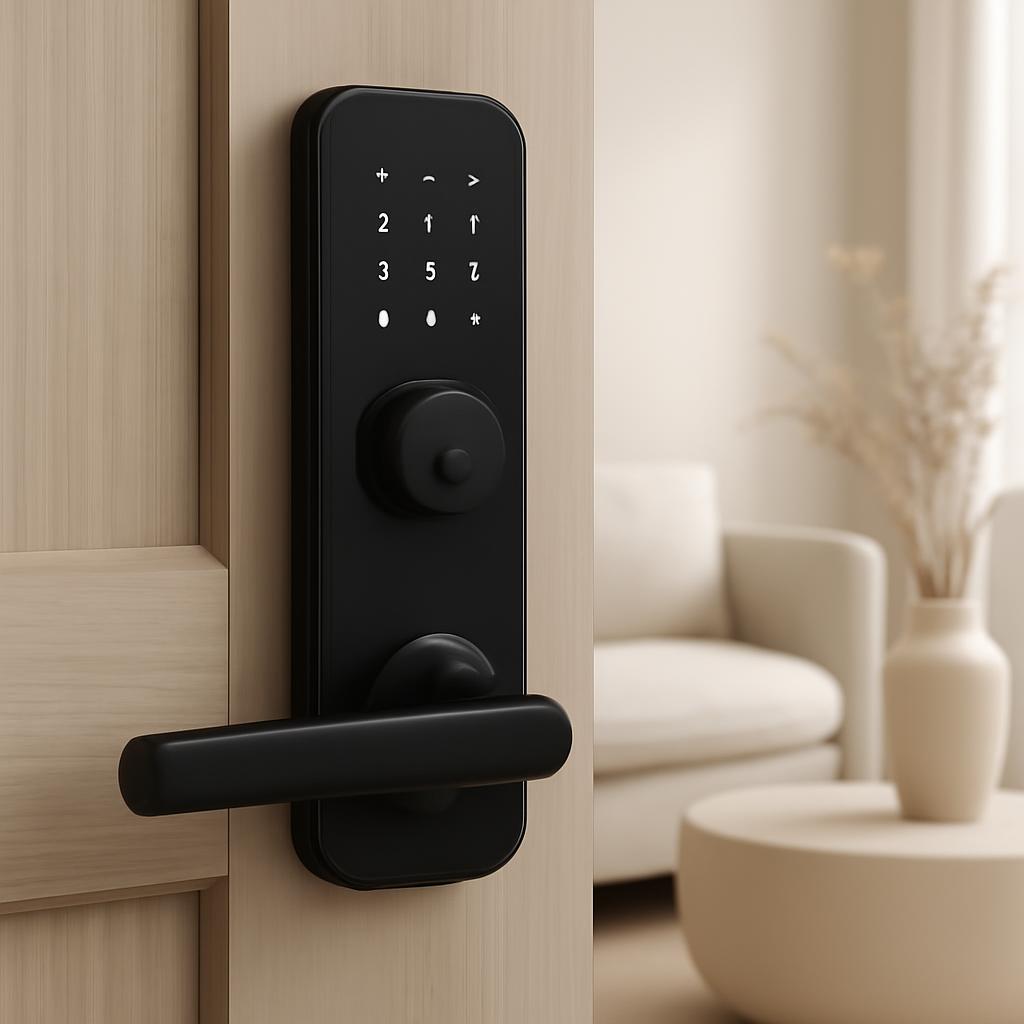
Expert Insights: The Future of Smart Locking Technology
“The keyless entry market is not just about convenience; it’s about creating a safer, smarter home environment,” says Dr. Emily Carter, a leading home security consultant. “As technology evolves, we are seeing advanced features like AI-driven access logs and voice-activated unlocking becoming mainstream.”
Indeed, the range of features available today is impressive. According to a 2024 report by McKinsey, over 40% of new smart locks sold include app connectivity, allowing users to monitor and control their locks remotely. Expert analysis suggests that app-connected locks, such as those with compatibility with smart home systems like Alexa or Google Home, will dominate the market by 2026.
Popular options like Schlage Encode and Yale Assure Lock SL exemplify innovation in this space. Both brands offer keyless entry door locks with multiple access options, including PIN codes, smartphone apps, and physical keys as backups—ensuring no homeowner is left in the lurch during emergencies.
Industry Standards and Best Practices for Keyless Door Locks
When investing in a keyless entry door lock, compliance with industry standards is non-negotiable. Look for products that meet ANSI/BHMA standards, ensuring durability and security. Additionally, certifications like UL 437 for high-security locks are crucial for peace of mind.
Regulatory standards also play a vital role. For instance, in the European Union, electronic locks must comply with CE marking requirements, demonstrating conformity with health, safety, and environmental protection standards. Similarly, in the United States, smart locks must adhere to FCC regulations for wireless communication devices.
For businesses looking to explore this market, partnering with manufacturers like 7STAR ensures access to certified products and comprehensive support. With FDA, CPNP, and GMP certifications, 7STAR offers a robust portfolio of smart lock solutions tailored to diverse market needs.
Implementation Guide: Choosing and Installing the Right Lock
Selecting the right keyless entry door lock involves careful consideration of your needs. Start by identifying the required features: Is remote access essential? Do you need a lock with a built-in camera or biometric scanner? For example, families with children may benefit from locks that allow multiple PINs, while frequent travelers might prioritize remote monitoring capabilities.
Installation is straightforward for most keyless locks, typically requiring just a screwdriver and about 30 minutes of your time. However, for advanced models with integrated cameras or smart home functionality, professional installation is recommended to ensure proper setup. Brands like 7STAR simplify the process further by offering user-friendly installation guides and responsive technical support.
The Future of Keyless Entry: Strategic Recommendations
By 2026, we expect to see keyless entry door locks integrated with advanced AI and IoT capabilities, enabling predictive analytics for enhanced security. For businesses, this is a prime opportunity to not only tap into growing consumer demand but also to position themselves as leaders in smart home innovation.
For manufacturers and retailers, focusing on product differentiation, such as offering low MOQ (minimum order quantity) options or exclusive designs, can attract niche markets. Companies like 7STAR, with over 10 years of experience and 5000+ proven formulations, exemplify how to scale efficiently while maintaining quality and affordability.
Frequently Asked Questions
What are the disadvantages of keyless door locks?
Keyless door locks offer numerous advantages, but they also come with potential drawbacks. One common concern is battery dependency; if the battery dies, the lock may become inoperable unless a backup key or power source is available. Additionally, some users worry about hacking risks, though modern smart locks incorporate advanced encryption to mitigate these issues. Finally, installation costs for high-end models might deter budget-conscious buyers. To minimize these challenges, select a lock with dual access options and invest in regular maintenance.
What are the best keyless door locks?
The best keyless entry door locks combine security, convenience, and design. Popular options include the Schlage Encode, known for its Wi-Fi connectivity and ANSI Grade 1 security rating, and the Yale Assure Lock SL, which offers a sleek, key-free design with app integration. For those seeking advanced features, models with built-in cameras or biometric scanners are excellent choices. Consider your specific needs—whether it’s remote access, durability, or aesthetics—when selecting the right lock.
What locks do police recommend for doors?
Police and security experts often recommend locks with ANSI Grade 1 certification, ensuring maximum durability and resistance to tampering. Keyless entry locks with features like auto-locking, anti-tamper alerts, and secure encryption are also highly regarded. Brands like Schlage and Kwikset are frequently cited for their reliability and robust security features, making them ideal for residential and commercial applications alike.
What happens if a smart lock battery dies?
If a smart lock battery dies, most models are designed with emergency solutions. Many include a physical key as a backup, while others offer external battery ports to temporarily power the lock. To avoid such situations, regularly check your battery levels and replace them as needed. Some advanced models even send alerts to your smartphone when battery levels are low, ensuring you’re never caught off guard.
What is a keyless entry door lock with a camera?
A keyless entry door lock with a camera integrates video surveillance with smart locking technology. These locks allow homeowners to monitor visitors in real time through a connected app, enhancing both security and convenience. Popular models like the Lockly Vision and Yale Linus Smart Lock offer HD video, night vision, and motion detection features. Ideal for busy households, these locks provide peace of mind by combining access control and home monitoring.
Are keyless entry door locks secure?
Yes, modern keyless entry door locks are highly secure, especially those with advanced encryption and tamper-resistant designs. Features like auto-locking, access logs, and two-factor authentication further enhance safety. To ensure maximum security, choose locks that meet industry standards, such as ANSI/BHMA certifications. For added confidence, consider brands like Schlage and Yale, known for their robust security features.